Author: Ir. Dr. Justin LAI Woon Fatt | 26 January, 2026
INTRODUCTION
Automatic fire sprinkler systems are among the most reliable and effective methods of fire protection in buildings. These systems operate without human intervention, detecting and controlling fires at an early stage to prevent spread and reduce damage. At the heart of the system are storage tanks, control valve sets, sprinkler heads, flow switches, pressure switches, pipework, and pumps, which work together to ensure water is delivered where it is needed during an emergency.
TYPES OF SPRINKLER INSTALLATIONS
There are four main types of sprinkler systems, each designed for different conditions:
- Wet Pipe System: The most common type. Pipes are permanently filled with water, ready to discharge instantly when a sprinkler head activates.
- Dry Pipe System: Pipes are filled with pressurised air. When heat breaks a sprinkler bulb, air escapes, allowing water to flow into the pipes and discharge through the sprinkler head.
- Pre-Action System: Similar to dry pipe but requires a separate detection system (smoke or heat detectors) to open a valve before water enters the pipes. Water is released only if a sprinkler head is activated.
- Deluge System: Sprinkler heads have no bulbs and remain open nozzles. When triggered by a detection system, water is discharged from all heads simultaneously, ideal for high-hazard areas.
Sprinklers installed more than 17 metres above the floor are classified as ineffective. In such cases, early response heads, large droplet sprinklers, or deluge systems shall be proposed to meet the safety objectives [1]. However, the overall design shall depend on ceiling height, storage height (racking), and sprinkler head type.
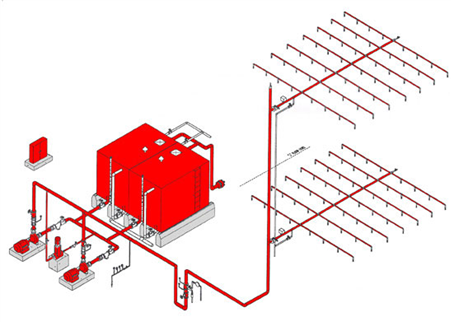 Figure 1: Automatic Sprinkler System [2]
DESIGN STANDARDS AND HAZARD CLASSIFICATIONS
In Malaysia, sprinkler systems must comply with the UBBL 1984 (Amendment 2021) By-law 228 and MS 1910 for design, installation, and maintenance [1]. Other international standards such as NFPA 13 or Factory Mutual (FM) standards, may be accepted with prior approval. Sprinkler systems are designed based on hazard classifications [1]:
- Light Hazard: Low fire load, such as schools, offices, prisons.
- Ordinary Hazard (OH): Commercial or industrial premises with moderate combustibility. Subdivided from OH1 (restaurants, hotels) to OH4 (match factories, film studios) – depending on fire load and combustibility.
- High Hazard: High fire loads or flammable liquids, further divided into process and storage risks.
SPRINKLER PUMPS AND TANKS
Sprinkler pumps draw water from dedicated storage tanks to feed the system. Typically, there are two main pumps (one duty and one standby) and a jockey pump to maintain pressure. Pump capacity depends on building height and hazard classification, with specific flow and pressure requirements. Standby pumps should be powered by an emergency generator or diesel engine, with sufficient fuel to sustain continuous full-load operation for a minimum of 4 hours (for Ordinary Hazard) and 6 hours (for High Hazard) [1].
Sprinkler tanks must have a minimum effective capacity based on hazard class and the height difference between the highest and lowest sprinklers. Tanks may be steel, fibre-reinforced polyester (FRP), or concrete, and should be corrosion-protected, compartmented, and clearly marked as fire tanks. In addition, dedicated ball float valves, overflow pipes, drain pipes and water level indicators should be provided for individual compartments. Furthermore, a sprinkler tank should be standalone and not combined with a hose reel tank.
CONTROL VALVES, SWITCHES, AND PIPEWORK
Each sprinkler installation includes a control valve set, comprising stop valves, alarm valves, drains, flow gauges, and pressure gauges. Flow switches are installed above control valves to detect water movement and trigger alarms. For systems sub-divided by zones, each floor should be designated as one or more zone, and flow switches must be provided for distribution pipes to each zone, which provides water flow indication for the specific zone.
Sprinkler pipework shall be black steel or galvanised iron (BS 1387) Class B minimum and properly joined according to pipe sizes, using screw joints (for pipe sizes 80mm and below), welded (for pipe sizes 100mm and above), or mechanically grooved couplings (for all pipe sizes up to 250mm) [1]. Underground pipework should be heavy gauge of Class C for durability. All pipes should be visible and not buried (embedded) in concrete slabs. In addition, all pipes shall be painted in red gloss paint or otherwise identified with red bands of 100 mm width minimum at elbows and tees.
SPRINKLER HEADS
Sprinkler heads are typically pendent or upright, with temperature ratings at least 30°C above the maximum ambient temperature, typically resulting in a nominal rating of 68°C, while kitchen areas require a higher ratings of 79°C [1]. Quick response sprinkler shall be utilized for life safety systems. The maximum spacing and coverage of sprinkler heads depends on the hazard level [1]:
- Light Hazard: Up to 21 m² per head (max 4.6 m apart)
- Ordinary Hazard: Up to 12 m² per head (max 4 m apart)
- High Hazard: Up to 9 m² per head (max 3.7 m apart)
Areas such as staircases, electrical rooms, and small toilets may be exempt from sprinkler head requirement, subject to hazard assessment and approval of the Fire and Rescue Department of Malaysia (FRDM). Sprinkler heads shall be installed in concealed ceiling or floor voids of a building if the height is more than 800 mm, or if the space contains combustible materials or is constructed of combustible materials [1]. Additionally, the working pressure in the sprinkler heads should not exceed 12 bars, particularly for high-rise buildings [1].
TESTING AND MAINTENANCE
Sprinkler systems require regular inspection, pressure testing, and functional checks to ensure reliability of opera. Before commencement of testing, the riser shall be flushed to clear all debris from the inside of the riser. A static pressure test is performed for 24 hours at 14 bars or 150% of the working pressure (whichever is higher) to check for leaks at joints and landing valves [1]. Flow test should be conducted at each zone by opening the isolation valve to trigger the fire alarm panel. Additionally, the pump delivery branch and installation control valve drain line are used to verify that flow rates meet design specifications. Routine maintenance of checking valves, heads, pipework, and switches ensures the system remains fully operational.
CONCLUSION
An automatic sprinkler system is a vital, autonomous fire protection measure that detects and controls fires quickly and reliably. Its effectiveness depends on proper design, installation, and maintenance in accordance with Malaysian standards, specifically UBBL 1984 (Amendment 2021) and MS 1910. Each component, from pumps and tanks to valves and sprinkler heads shall be validated through rigorous testing to ensure water is delivered where it is needed during a fire emergency. With regular testing and upkeep, these systems provide essential, life-saving protection for both people and property.
Ir. Dr. Justin LAI Woon Fatt
CEO/ Founder
IPM Group